In case of an incident or a gas leak
1. Contact the emergency number 115 or +41 21 693 30 00
2. Alarm (if the alarm did not turn on automatically)
3. Evacuate people in danger if possible.
Only the trained and equipped staff can intervene in case of emergency.
If a cylinder gas has fallen and looks damaged, do NOT use it and send it back to the supplier.
Compressed gas cylinders combine both a physical hazard, the high pressure, with chemical ones depending on the type of gas.
- Please find here the gas safety training.
- Please find here the generic procedure for changing inert, oxidizing and flammable gas cylinders. This procedure is not valid for toxic and/or corrosive gases.
For any support, or complementary information, contact us.
How to read a hazard label
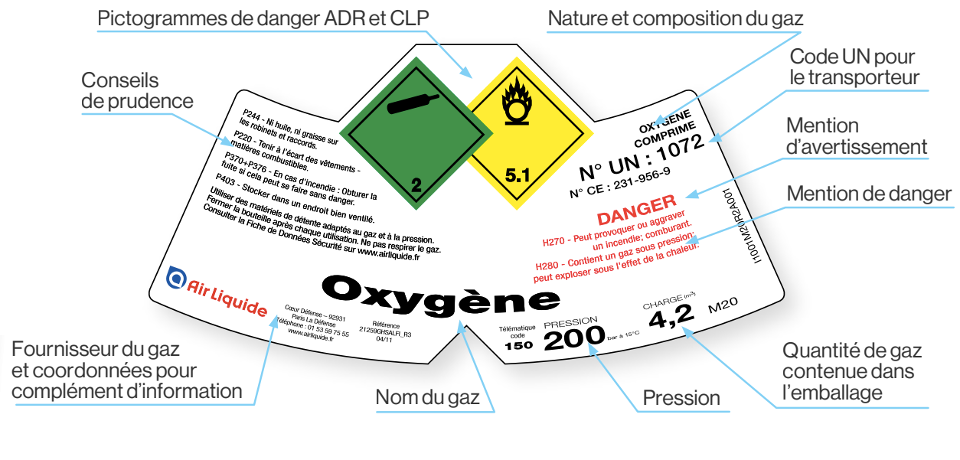
- CLP (GHS) pictograms indicate the inherent hazards of a chemical (flammable, toxic, corrosive, hazardous to the environment, etc.) in accordance with the European CLP Regulation (Classification, Labeling, and Packaging). The CLP implements the United Nations’ GHS (Globally Harmonized System) in Europe; CLP pictograms therefore correspond to GHS pictograms, with the same symbols and meanings. They appear on chemical labels and Safety Data Sheets (SDS).
- ADR pictograms indicate the risks associated with the transport of dangerous goods by road, in accordance with the ADR (Agreement concerning the International Carriage of Dangerous Goods by Road). They are affixed to packages, containers, or vehicles transporting dangerous goods.
- Please note that the same product may have different CLP and ADR pictograms, as the classification for transport does not follow the same criteria as the classification of hazards for use.
Gases and their hazards
Refer to the Safety Data Sheet (SDS) for information regarding the specific hazards of a gas.
The filling pressure of compressed gas cylinders can reach up to 300 bars: there is a risk of bursting or rupture due to pressure.
As the temperature rises, the pressure inside a gas cylinder increases, further raising the risk of explosion. This is very common with liquefied gases such as propane or butane.
A defect in the valves or any other safety component can also cause the accidental release of a large amount of pressurized gas.
It is important to remember that:
- Any type of gas, even an inert one, poses a serious risk of asphyxiation.
- A single gas can have multiple chemical properties & hazards: for example, hydrogen sulfide (H2S) is toxic, corrosive, and flammable.
You can explore chemical hazard symbols on our chemical hazards page.
The four major families of gases are categorized below according to their specific hazards:
| Pictograms |  |
| Gases | Toxic and/or corrosive gases Ex: H2S ; AsH3 ; PH3 |
| Ogives |  |
Detection and signalization :
Depending on the quantity, toxic and/or corrosive gases may be monitored for detection in the laboratory as well as in storage cabinets. In the event of a leak, the detection system shuts off the gas supply and triggers an alarm.
If your laboratory uses gases subject to detection, you must familiarize yourself with the alarm management procedures.
A flashing warning light is installed above laboratory doors to alert users to:
- A lack of oxygen
- A toxic gas leak
Contact us for more information.
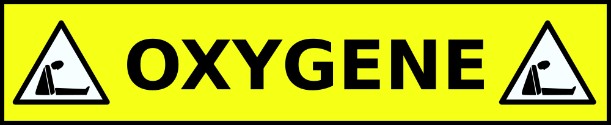
| Pictograms | 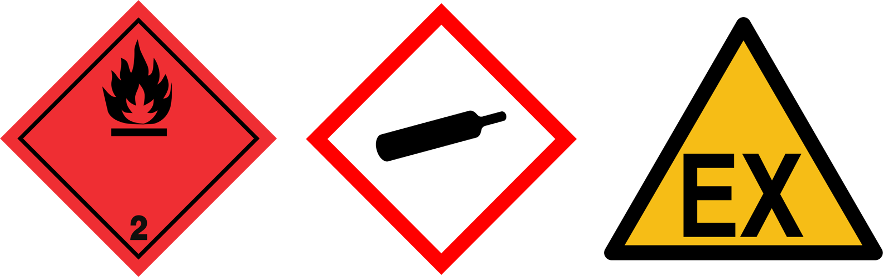 | |
| Gases | Flammable Ex: H2 ; CH4 | Acetylene C2H2 |
| Ogives |  |  |
Detection and signalization :
Depending on the quantity, flammable gases may be monitored for detection in the laboratory as well as in storage cabinets. In the event of a leak, the detection system shuts off the gas supply and triggers an alarm.
If your laboratory uses gases subject to detection, you must familiarize yourself with the alarm management procedures.
A flashing warning light is installed above laboratory doors to alert users to:
- A lack of oxygen
- A flammable gas leak
Contact us for more information.
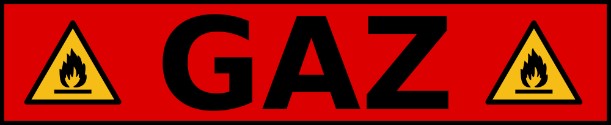
| Pictograms | 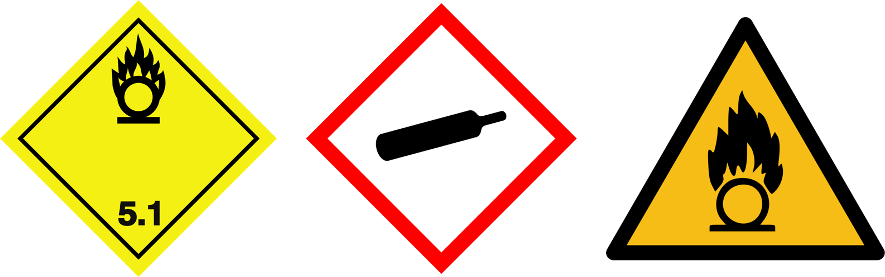 | |
| Gases | Oxydizer Ex: N2O | Oxygen O2 |
| Ogives |  | 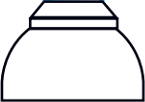 |
Detection and signalization :
Depending on the quantity, toxic and/or corrosive gases may be monitored for detection in the laboratory as well as in storage cabinets. In the event of a leak, the detection system shuts off the gas supply and triggers an alarm.
If your laboratory uses gases subject to detection, you must familiarize yourself with the alarm management procedures.
A flashing warning light is installed above laboratory doors to alert users to:
- A lack of oxygen
Contact us for more information.
| Pictograms | 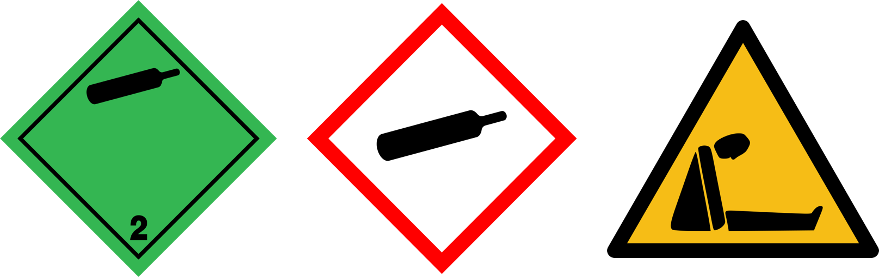 | |||
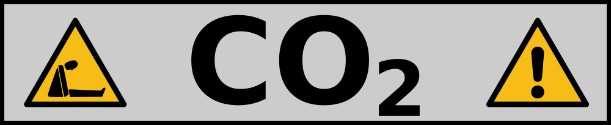
| Gases | Asphyxiant / inert (Ar) | Nitrogen (N2) | Carbon dioxide (CO2) | Helium (He) |
| Ogives |  |  |  |  |
Detection and signalization :
Depending on the quantity, inert gases may be monitored for detection in the laboratory as well as in storage cabinets. In the event of a leak, the detection system shuts off the gas supply and triggers an alarm.
If your laboratory uses gases subject to detection, you must familiarize yourself with the alarm management procedures.
A flashing warning light is installed above laboratory doors to alert users to:
- A lack of oxygen
- CO2 and oxygen deficiency detectors are installed as needed.
- A CO2 detector must be installed if the concentration in the laboratory can reach or exceed the limit value of 5,000 ppm (ml/m³).
Contact us for more information.
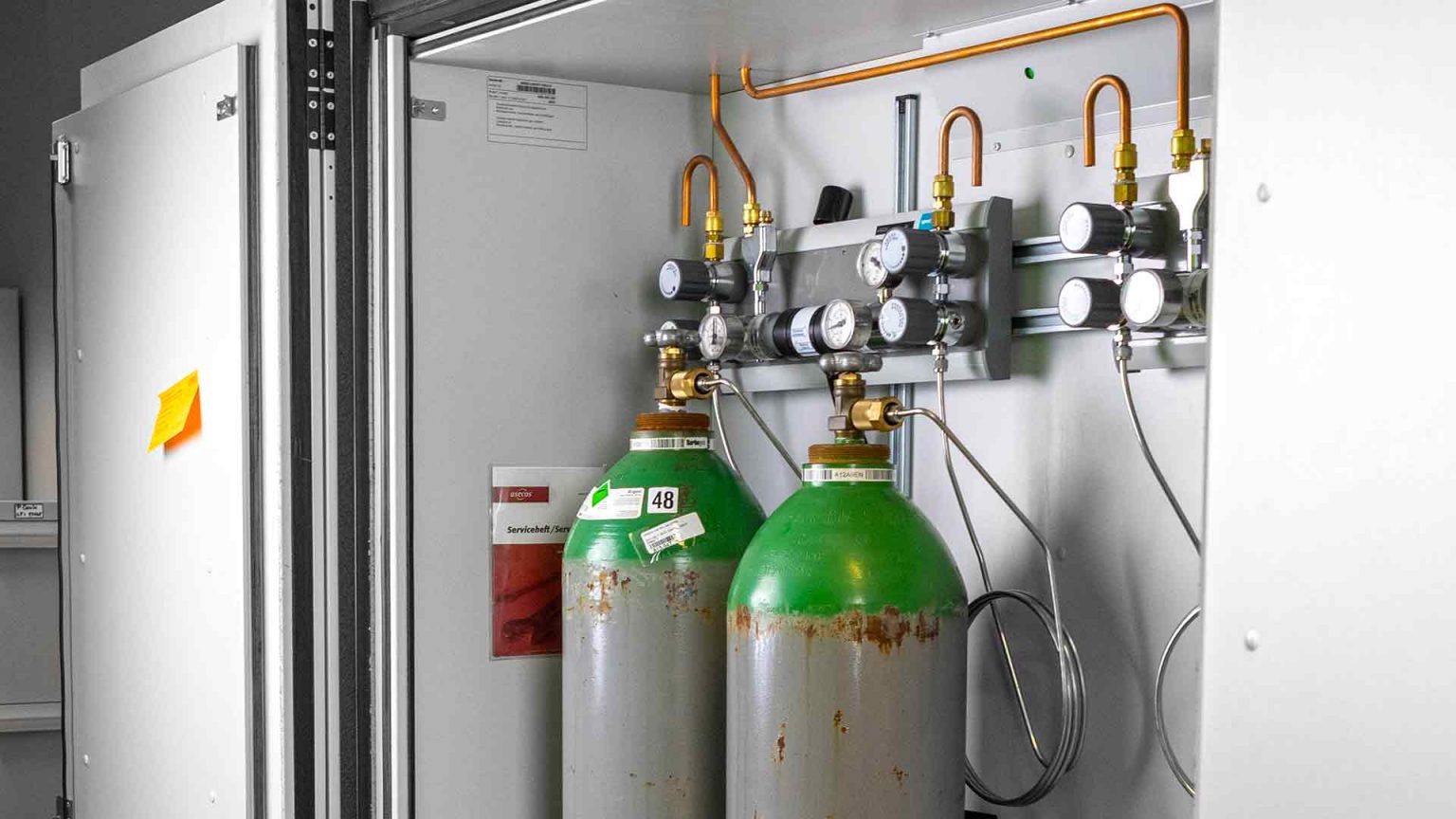
- All compressed gas cylinders should be stored in an EN 14470-2 certified EI90 gas cabinet whenever possible.
- Secure cylinders in an upright position.
- Consult the Safety Data Sheet (SDS) before storage or use.
- Respect gas incompatibilities.
- Install gas cabinets and gas detection through a DI request.
- Return empty or unused cylinders to the supplier as soon as possible.
- Replace expired cylinders whenever gas quality is critical.
- Store cylinders only in EPFL-authorized outdoor storage areas.
- Empty cylinders may be stored with full cylinders of the same category.
- Clearly identify empty cylinders.
- Permitted only when cabinet installation is technically impossible or for temporary experiments (<1 year).
- Cylinder must be connected directly to the equipment.
- After use, return the cylinder to an EI90 cabinet (without regulator and with protective cap) or return it to the supplier.
- Toxic gases.
- Corrosive gases.
- Liquefied oxidizing gases (e.g. N₂O).
- 50 L cylinders in rooms < 50 m³.
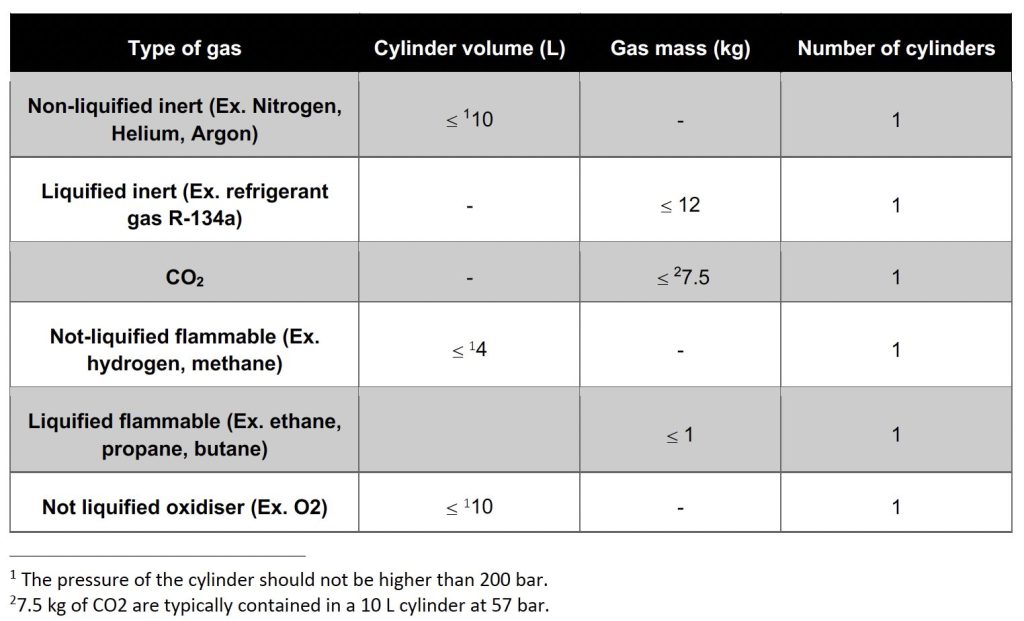
Outside cabinet storage is permitted only if ALL conditions are met:
- Room volume > 50 m³.
- Ventilation ≥ 4 air changes/hour.
- Cylinder connected to the equipment.
- Installation properly maintained.
- Cylinder ≤ 10 L. Cylinders with a volume greater than 10 L for these activities are only permitted in ventilated workshops.
Welding equipment shall comply with CFST Directive 6509 on the safety and health protection of workers.
The conditions specified in Table 1 do not apply to liquefied flammable gas cartridges containing 500 g or less of liquefied gas used for Bunsen burners.
These cartridges may be stored in a ventilated room, up to a maximum of eight cartridges.
Storage shall be:
- away from oxidizing substances.
- away from heat sources.
- protected from direct sunlight.
These cartridges shall not be stored in cabinets intended for the storage of chemical products.
- Outside cabinet storage is permitted only if room volume ≥ 50 m³, pressure regulator ≤ 5 bar and Table 1 requirements are fulfilled.
- Oxidizing gases must be stored at least 2.5 m from flammable gases and chemicals.
- The highest hazard pictogram determines the applicable rules.
Before the first use
Ensure that the cylinder is equipped with right pressure regulator and certified for the gas. In case of doubt, contact your provider.
Read the safety data sheet for the handling and the safety information concerning the gas you are using. In this document, you will find information on the protective equipment to use when handling this gas. If you have remaining doubts regarding the gas handling, do not hesitate to contact us.
General use
Never re-fill a cylinder by yourself: the remaining gas mixture in a confined space can create unexpected, devastating, and uncontrolled reactions.
Open slowly the valve, without abrupt movement, and entirely. Do not leave a valve partially open. Close the valve when there are long interruptions between the uses and remove the pressure regulator.
Never use grease or oil on the regulator or the valves of the cylinder: these substances can lead to an undesirable and dangerous reaction with the gas contained inside the cylinder.
Never use oxygen as replacement for compressed air.
Do not drag, roll or slide a gas cylinder.
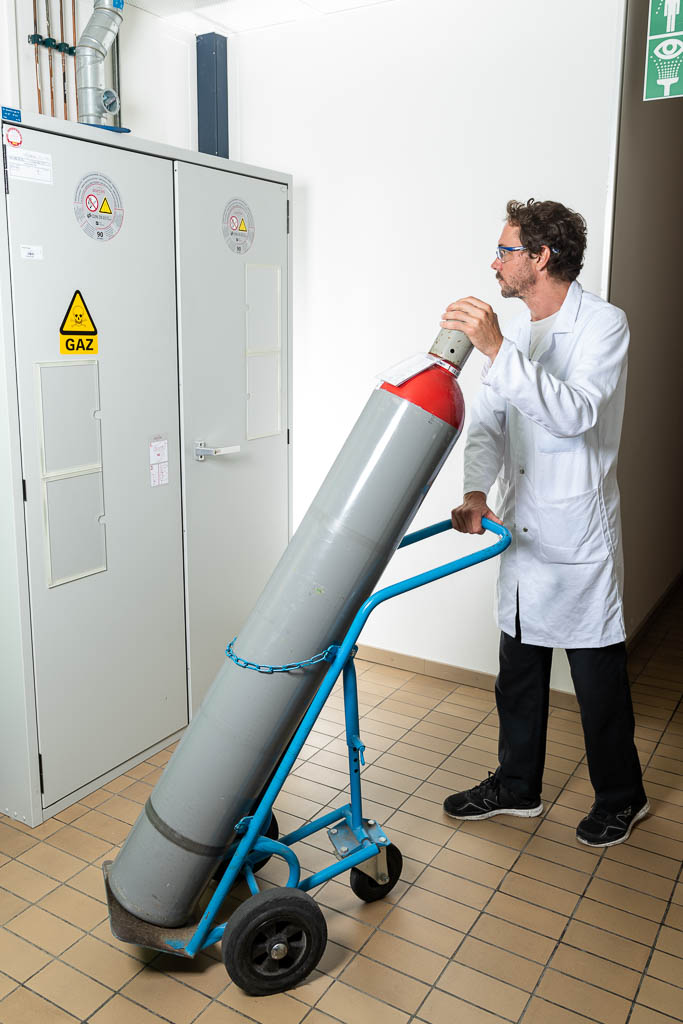
To ensure the safe transport of a gas cylinder, follow these four steps:
- Use a three-wheeled cart.
- Remove the regulator and replace it with the protective cap (spherical cap).
- Secure the cylinder to the cart using a chain or strap.
- When moving the cylinder: hold the protective cap with one hand and steady the cart with the other hand.